

Within this ever-evolving landscape of online streaming, content creators across platforms like Twitch face the challenge of preserving their hard work for future audiences. Whether you are a casual gamer, a seasoned streamer, or someone who has just begun their broadcasting journey, understanding how to effectively record, download, and archive your Twitch streams can greatly impact your channel's growth and longevity. As engaging gameplay, creative content, and valuable interactions often occurring during live broadcasts, having a reliable method for saving this material is crucial for maximizing its potential.
To ensure your Twitch content is preserved, it's essential to explore different strategies for capturing and storing your streams, VODs, clips, and highlights. This can include using professional recording setups to utilizing automated processes for bulk downloading, this guide offers you with practical insights regarding the best practices for Twitch video recording. We will cover a range of approaches applicable across various platforms and devices, so that you can safeguard your streams while maintaining high audio and video quality. Regardless of whether you're recording on Mac, Windows, or even mobile devices, get ready to discover how to effectively preserve your Twitch legacy.
Recording Twitch Broadcasts
Recording Twitch.tv streams is essential for both emerging and established streamers who want to preserve their gameplay or key moments for later use. The procedure begins with choosing the appropriate program that is compatible with your operating system, whether you're on a Windows PC or Mac. Top screen capture software like Open Broadcaster Software, StreamLabs, and XSplit Gamecaster provides a range of features, including adjustable options for audio and video performance, image quality, and bitrate. These applications not only enable high-definition capture but also permit you to set up overlays, alerts, and other features, improving your stream’s quality.
For those who favor mobile recording or want to stream on the move, various apps are available to record Twitch streams directly from mobile phones or tablets. These apps can make easier the capturing method and typically simplify the UI, ensuring that you can begin capturing with just a couple of touches. Additionally, online recording solutions can be employed for immediate recording without the need for complex preparations, making them an perfect choice for spontaneous broadcasting or when you're using multiple platforms.
Regardless of method you choose, it is vital to maintain a reliable recording environment to ensure high-quality output. This includes using a reliable microphone, a good camera, and ensuring that your hardware can handle both the streaming and capturing simultaneously without delays or frame rate issues. Setting up your space properly not only improves the viewer’s satisfaction but also sets the stage for successful archive techniques, enabling you to store and edit your streams for monetary gain and channel growth.
Storing and Downloading VODs
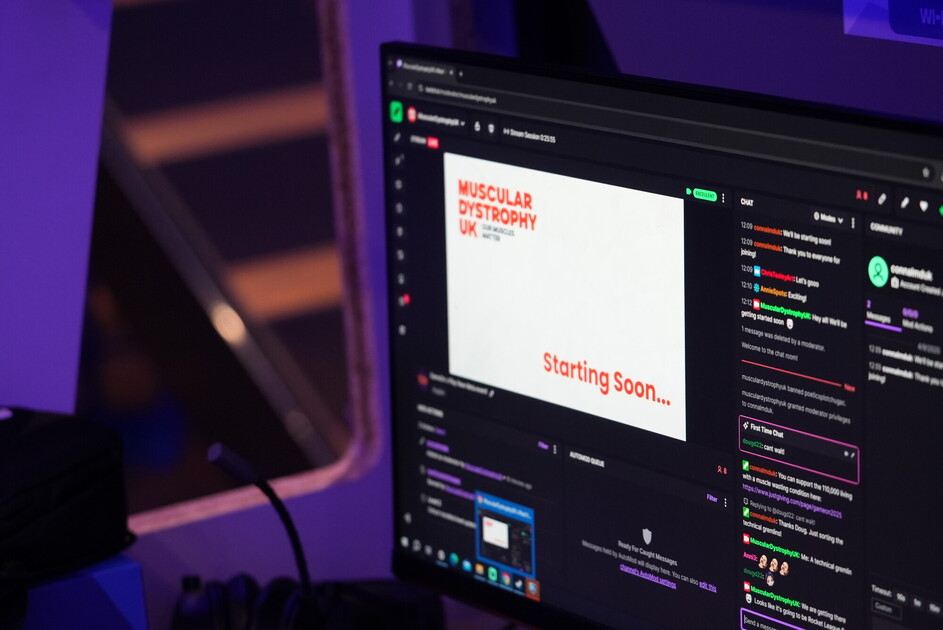
To effectively store and download VODs from Twitch, it’s important to initially ensure that your account settings permit for VOD storage. By default, Twitch keeps your streams for a short time, but you can prolong this duration by activating the "Store past broadcasts" option in your account settings. This is crucial for keeping your content accessible for longer periods. Next, acquaint yourself with how to find your VODs, which can be found under the "Video Producer" section of your channel dashboard. Here, you can select and organize your saved streams.
Once you have access to your VODs, you might want to download them for offline storage or editing. Twitch provides a straightforward way to download your own VODs directly from the Video Producer section. Just click on the gear icon next to the VOD you want to save and select the save option. This process is extremely user-friendly and ensures that you can keep a local copy of your streams without any hassle. For those seeking to download clips or highlights, the same section offers options to handle and save those as well.
For users who desire a more automated approach, there are tools available for bulk downloading VODs. Some third-party applications and browser extensions specialize in retrieving multiple videos at once, which can save a lot of time and effort. These tools often allow you to set preferences for resolution and bitrate during the download procedure, ensuring that the quality of the downloads meets your standards. Remember to think about your long-term storage solutions, as saved VODs can take up significant disk space depending on their length and quality.
Preserving Twitch.tv Content
Archiving Twitch.tv streams is a key aspect of upholding a streamer’s legacy and guaranteeing that valuable moments are preserved for future viewers. With Twitch allowing streamers to store their VODs for a limited time, it becomes crucial to implement a plan that captures these streams efficiently. Utilizing various tools and methods can help in capturing Twitch.tv VODs, storing clips, and preserving highlights across various platforms and devices.
To start archiving, consider employing a trusted Twitch video recorder. This allows streamers to capture their streams in high quality on both Mac and Windows systems. Options such as desktop recording software or browser-based recording tools can facilitate recording live streams without sacrificing on audio and video quality. It is also recommended to pay careful consideration to video quality and bitrate settings to make sure that the streams is saved at the desired level of quality.
After recording, the next step involves organizing and keeping the recorded content for easy access. Proper storage solutions and arrangement methods are vital for sustainable preservation. Streamers should think about mass download options for clips and highlights, while adopting a systematic approach to organize their archives. Legal aspects, such as copyright regulations, should also be considered to comply with intellectual property laws when distributing recorded content.
Backup Methods
To effectively back up your game streaming content, it's important to establish a reliable strategy that matches your workflow. Employ reliable software tools that support both automated and manual recording of streams, ensuring you record high-quality video and audio. This can include using advanced recording software for computer platforms or mobile recording apps for on-the-go streaming. Think about scheduling regular backups after each stream or significant gaming session to make sure no valuable content is lost.
When organizing your recorded content, it's wise to create a well-organized storage structure. Use folders categorized by date, game title, or content type, such as VODs, clips, and highlights. This not only aids in fast retrieval of specific streams but also keeps your collection neat. Premium recordings should be stored in popular video formats like MP4 to maximize compatibility across different devices and platforms.
Finally, keep perpetual storage strategies in mind, especially if you have a significant amount of content. Cloud storage services can offer an outstanding way to store videos without consuming your local space. Additionally, consider utilizing bulk download options for clips and VODs to streamline your backup efforts. Consistently review StreamRecorder download tool to adjust to your expanding library and maintain an efficient archiving system.
Legal Aspects and Fair Use Doctrine
When participating in the recording and saving of Twitch content, it is crucial to understand the legal issues involved. Twitch's rules govern the application of its platform, and content creators must adhere to these rules to steer clear of any likely violations. This comprises respecting copyright laws concerning gameplay footage, music, and any other media featured during streams. Making sure you have the proper permissions or licenses for any third-party content is essential for protecting yourself from legal consequences.
Fair use is a intricate legal doctrine that can apply to the recording of Twitch streams, but it is not a comprehensive protection. Content creators should familiarize themselves with the criteria that determine fair use, which comprises factors such as the intent of use, the nature of the original work, the amount used, and the effect on the economic value of the initial content. While utilizing excerpts for commentary or critique may qualify as fair use, fully recording someone else's stream without consent could lead to copyright infringement allegations.
To safeguard these legal challenges, it is recommended to consult with a legal professional knowledgeable about digital media rights. Additionally, using tools that allow for content attribution and offering proper credit to original creators can go a long way toward creating a community of regard and collaboration. By prioritizing legal compliance, content creators can safeguard their channels and positively contribute to the Twitch community while safeguarding their content effectively.